
 EN
EN  English
 简体中文
简体中文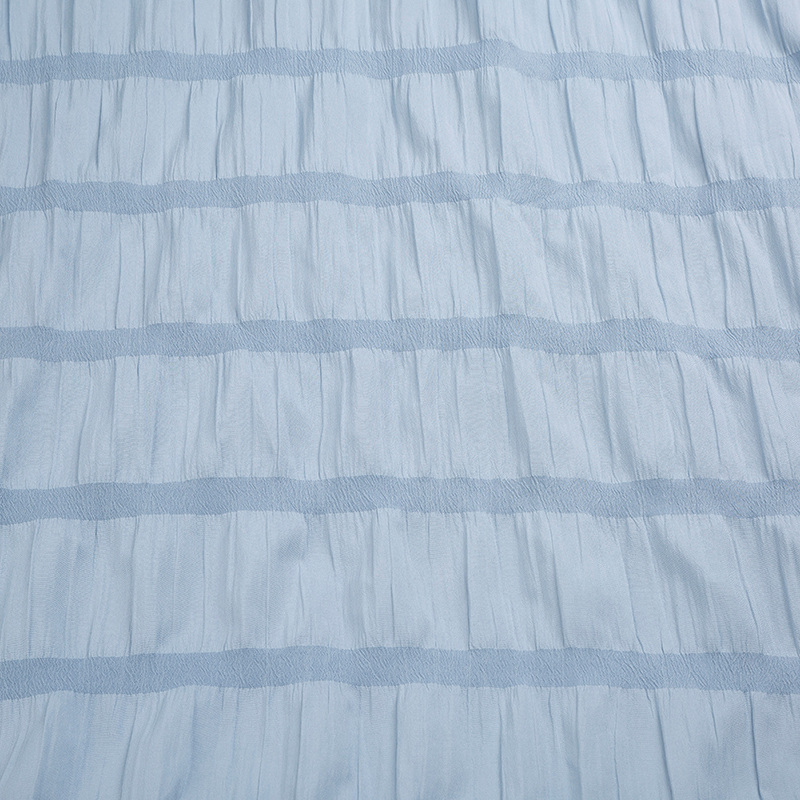
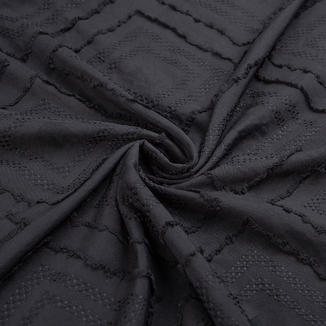
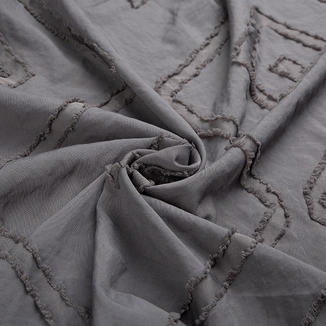
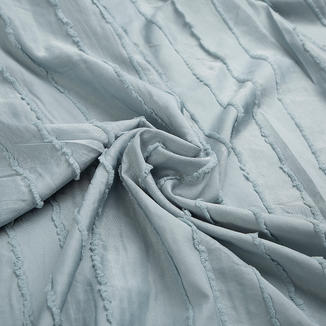
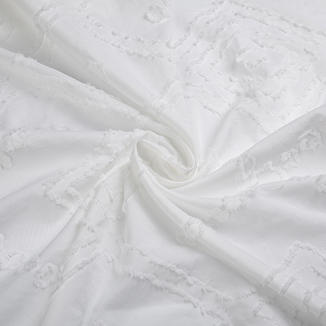
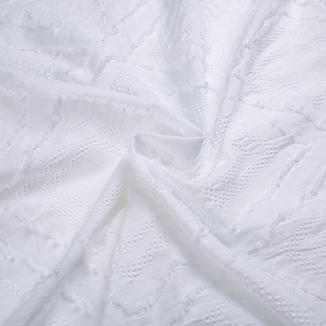
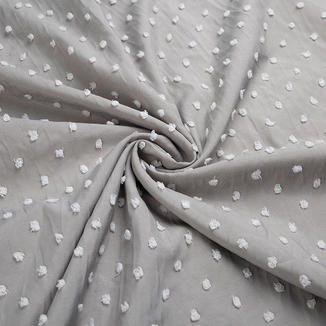
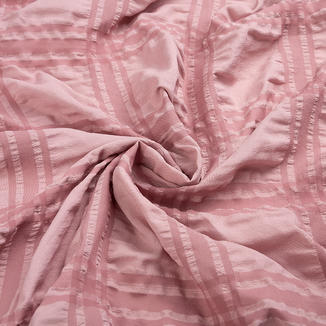
Premium quality since 2002!
Polyester seersucker fabric has become a popular choice for clothing, bedding, and home textiles thanks to its distinctive puckered texture and practical benefits. This synthetic version of traditional cotton seersucker offers the same charming crinkled appearance that keeps fabric away from the skin while adding modern performance features like enhanced durability and easier care. Whether you're considering seersucker for summer clothing, children's apparel, or home decor projects, understanding this versatile fabric helps you make informed choices and get the best results.
What Makes Polyester Seersucker Fabric Unique
Polyester seersucker fabric stands out immediately due to its characteristic puckered or crinkled surface texture. Unlike smooth fabrics, seersucker features alternating smooth and gathered stripes or patterns that create a three-dimensional rippled effect. This texture isn't printed or embossed after weaving—it's built into the fabric structure itself during the manufacturing process, making it a permanent feature that won't wash out or fade over time.
The puckering effect is created through a specialized weaving technique where some yarns are woven more tightly than others. The tighter threads gather and bunch up, while the looser threads remain relatively flat, creating the signature wrinkled appearance. When polyester fibers are used instead of traditional cotton, the fabric gains additional properties like increased strength, faster drying times, and resistance to shrinking and stretching.
The practical brilliance of seersucker's design lies in how those puckered areas create air pockets between the fabric and your skin. This built-in ventilation allows air to circulate freely, preventing the fabric from clinging to your body even in humid weather. The raised texture touches your skin at fewer points than smooth fabrics, reducing that sticky, uncomfortable feeling you often experience with regular materials on hot days.
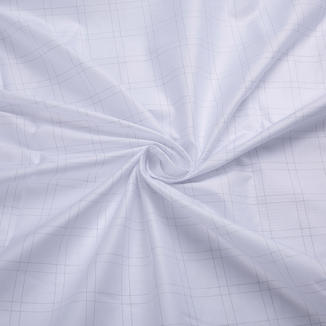
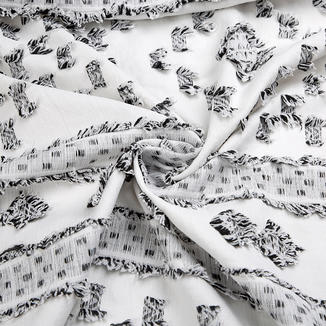
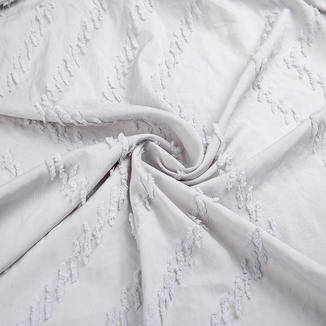
Polyester seersucker typically comes in various patterns and colors, though the classic blue-and-white striped version remains the most recognizable. Modern manufacturing techniques allow for diverse designs including solid colors, multi-colored stripes, checks, and even printed patterns overlaid on the textured surface. The fabric weight usually ranges from lightweight (around 3-4 oz per square yard) to medium-weight (5-7 oz), with lighter versions perfect for clothing and heavier options better suited for bedding and upholstery.
Advantages of Choosing Polyester Over Cotton Seersucker
While traditional cotton seersucker has been beloved for generations, polyester seersucker offers several compelling advantages that make it increasingly popular for modern applications. Understanding these benefits helps you decide which version suits your needs better.
Durability ranks among polyester seersucker's most significant advantages. Polyester fibers are inherently stronger than cotton, resisting tears, abrasion, and general wear far better than natural fibers. This makes polyester seersucker an excellent choice for children's clothing, active wear, and items that will see frequent use and washing. The fabric maintains its appearance and integrity through hundreds of wash cycles without the thinning, pilling, or weakening that eventually affects cotton fabrics.
Wrinkle resistance is where polyester seersucker truly shines. The irony is delicious—a fabric defined by its permanent wrinkles resists forming additional unwanted creases. Unlike cotton seersucker that can develop messy wrinkles on top of its intentional texture, polyester seersucker springs back from compression and maintains its designed puckering without extra creasing. This makes it ideal for travel, storage, and everyday wear without ironing.
Quick-drying properties make polyester seersucker practical for various applications. Polyester naturally repels water and dries much faster than cotton—often in half the time or less. This characteristic proves invaluable for beachwear, children's clothing that needs frequent washing, bedding in humid climates, and any situation where you need fabric to dry quickly. The combination of quick drying and the texture's inherent air circulation makes polyester seersucker particularly well-suited for warm, humid environments.
Color retention in polyester seersucker exceeds that of cotton versions. Polyester fibers accept and hold dyes differently than natural fibers, resulting in colors that stay vibrant through countless wash cycles. Cotton seersucker tends to fade gradually with washing and sun exposure, developing that pleasantly worn vintage look that some people love but others want to avoid. Polyester maintains its original color intensity for years, keeping items looking newer longer.
Cost-effectiveness makes polyester seersucker accessible for budget-conscious shoppers. Polyester production costs less than growing, harvesting, and processing cotton, and these savings typically pass through to consumers. You can often purchase polyester seersucker items or fabric at lower prices than equivalent cotton versions while gaining the durability advantages that extend the product's useful life.
Common Uses and Applications
Polyester seersucker fabric finds its way into numerous products across fashion, home goods, and specialty applications. Its unique properties make it particularly suitable for specific uses where its benefits provide real advantages.
| Application Category | Specific Products | Why Polyester Seersucker Works Well |
| Summer Clothing | Dresses, shirts, shorts, skirts, rompers | Breathable texture, wrinkle resistance for travel, easy care |
| Children's Wear | Play clothes, pajamas, school uniforms | Durability through rough play, frequent washing tolerance |
| Bedding | Bedspreads, coverlets, duvet covers, shams | Textured appearance, no ironing needed, breathable for warm weather |
| Home Decor | Curtains, tablecloths, napkins, pillow covers | Visual texture, maintains crisp appearance, easy laundering |
| Accessories | Bags, headbands, bow ties, scrunchies | Holds shape well, distinctive texture adds interest |
| Craft Projects | Quilting, appliqué, decorative items | Texture adds dimension, forgiving of construction imperfections |
Summer apparel represents the traditional and still most popular use for seersucker fabric. The classic seersucker suit has been a warm-weather staple for over a century, and polyester versions bring enhanced practicality to this timeless style. Women's summer dresses made from polyester seersucker combine the breezy comfort of the texture with wash-and-wear convenience that busy lifestyles demand. The fabric's natural tendency to stand away from the body makes it flattering for various body types by skimming rather than clinging.
Children's clothing manufacturers particularly favor polyester seersucker because it withstands the abuse that kids inflict on their clothes. The fabric tolerates frequent washing, resists staining better than cotton, and maintains its appearance despite rough play. Parents appreciate that seersucker pajamas, play clothes, and school uniforms come out of the dryer ready to wear without ironing—a significant time-saver in busy households.
Bedding applications capitalize on seersucker's cooling properties and low-maintenance nature. Seersucker bedspreads and coverlets create visual interest with their texture while remaining practical for year-round use. The puckered surface allows air circulation that helps regulate temperature, keeping sleepers comfortable without excessive warmth. Unlike flat bedspreads that show every wrinkle, seersucker's intentional texture camouflages minor rumpling, keeping beds looking tidy with minimal effort.
Care and Maintenance Guidelines
Properly caring for polyester seersucker fabric maintains its appearance and extends its useful life. While this fabric requires less fussy care than many textiles, following best practices ensures optimal results and prevents damage.
Washing polyester seersucker is straightforward and forgiving. Machine washing in warm or cold water works perfectly well for most items. Use regular laundry detergent in normal amounts—polyester doesn't require special cleansers. Avoid fabric softeners and dryer sheets as they can coat polyester fibers with residue that reduces breathability and can make the fabric feel greasy or attract dirt more easily. The puckered texture naturally softens the fabric, so additional softening isn't necessary.
Drying polyester seersucker offers flexibility based on your preferences and time constraints. Tumble drying on low to medium heat works well and actually helps maintain the puckered texture by allowing the different tensions in the weave to relax and contract as designed. Remove items promptly when the cycle finishes to prevent unnecessary wrinkling beyond the intentional texture. Line drying is also perfectly acceptable and saves energy, though it takes longer due to polyester's slower air-drying compared to machine drying.
Ironing polyester seersucker defeats the entire purpose of the fabric and should be avoided. The permanent puckering is the defining characteristic—attempting to iron it smooth ruins the texture and appearance. If you absolutely must remove a crease or wrinkle that developed during storage or shipping, use the lowest heat setting on your iron with a pressing cloth between the iron and fabric. Better yet, simply hang the item in a steamy bathroom or use a handheld steamer to relax unwanted creases without flattening the intentional texture.
- Separate dark and light colors during washing to prevent any potential color transfer, especially during the first few washes
- Close zippers, buttons, and hooks before washing to prevent snagging the textured fabric
- Turn printed or embellished items inside out to protect decorative elements during washing and drying
- Store folded or hung items in ways that don't create sharp permanent creases—rolling is often better than folding for storage
- Treat stains promptly with appropriate stain removers before washing for best results
Working with Polyester Seersucker for Sewing Projects
Sewing with polyester seersucker fabric requires some special considerations due to its textured surface and synthetic fiber content. Understanding these characteristics helps both novice and experienced sewers achieve professional-looking results.
Cutting polyester seersucker demands attention to grain lines and pattern orientation. The puckered texture can make it challenging to identify the straight grain, so look closely at the selvage edges and follow the yarn lines rather than relying on visual appearance. When working with striped seersucker, decide whether you want stripes to run vertically, horizontally, or even diagonally for visual interest. Cut all pattern pieces in the same orientation to ensure consistent stripe direction across the finished garment unless you're intentionally mixing orientations for design effect.
Pinning and marking require gentle handling to avoid permanent indentations in the fabric. Use fine pins and place them within seam allowances rather than in the body of pattern pieces where pin marks might show. Tailor's chalk or washable fabric markers work better than tracing wheels that can leave permanent indentations in the puckered surface. Some sewers prefer using pattern weights instead of pins when cutting to avoid any marks whatsoever.
Sewing machine setup should accommodate polyester's characteristics. Use a universal or polyester needle in size 70/10 or 80/12 for lightweight to medium-weight seersucker. A slightly longer stitch length (2.5-3mm) works better than very short stitches, which can cause puckering along seam lines—ironically creating unwanted puckering on top of the wanted texture. Polyester thread matches the fiber content and creates strong, compatible seams.
Pressing seams in polyester seersucker requires a light touch and lower temperature settings. Set your iron to the synthetic or low heat setting—excessive heat can melt or permanently flatten polyester fibers. Use a pressing cloth between the iron and fabric for additional protection. Press seams open or to one side as patterns direct, but avoid pressing heavily over the puckered areas. Many experienced sewers use "finger pressing" to open seams in seersucker, avoiding heat entirely by simply running a thumbnail along the seam to crease it.
Pattern selection works best with designs suited to seersucker's properties. Avoid patterns requiring crisp, tailored edges or precise matching of stripes across seams—seersucker's texture makes such precision difficult and somewhat contradictory to the fabric's casual nature. Instead, choose relaxed, flowing designs that embrace the fabric's inherent movement. Gathered skirts, loose dresses, casual shirts, and simple children's clothing all showcase seersucker beautifully without fighting its natural characteristics.
Comparing Quality Levels and Shopping Tips
Not all polyester seersucker fabrics are created equal, and understanding quality indicators helps you select materials that will perform well and last. Whether shopping for finished products or fabric yardage, certain factors signal superior quality worth paying for.
Thread count and fabric density affect both durability and appearance. Higher-quality seersucker uses more yarns per square inch, creating a more substantial fabric that wears better over time. Hold fabric up to light—looser weaves allow more light through, indicating lower quality that may develop holes or wear thin more quickly. Denser weaves feel more substantial in your hands and drape better when made into garments or home goods.
Puckering consistency separates well-made seersucker from inferior versions. Examine the fabric closely—the puckered stripes or sections should be uniform in height and spacing throughout the material. Irregular puckering with some areas barely textured and others extremely gathered indicates poor manufacturing control. Run your hand over the surface; well-made seersucker has a pleasant, consistent texture while lower-quality versions feel uneven or have areas where the texture is nearly flat.
Color vibrancy and print quality signal attention to manufacturing detail. Colors should be clear and saturated, not dull or washed out. If the seersucker features printed patterns in addition to the texture, examine print registration—patterns should align properly without blurring or offset images. Rub a white cloth across dark-colored seersucker; excessive color transfer suggests low-quality dyes that will fade quickly with washing.
Fabric weight appropriateness depends on intended use. Lightweight seersucker (3-4 oz) works beautifully for summer clothing but may be too thin for bedding or home decor items that need more body. Medium-weight versions (5-7 oz) provide versatility for various applications. When purchasing yardage, ask about weight or examine similar items made from the fabric to assess whether it suits your project.
Price generally reflects quality, but not always linearly. The cheapest polyester seersucker often disappoints with thin construction, poor color retention, and texture that flattens quickly. However, premium pricing doesn't guarantee superior quality—evaluate fabrics on their merits rather than assuming higher cost means better performance. Mid-range pricing frequently offers the best value, providing good quality without luxury markups.
Styling and Fashion Considerations
Polyester seersucker fabric brings distinctive visual texture and casual charm to any wardrobe or space. Understanding how to style and incorporate this material helps you maximize its aesthetic impact while maintaining appropriate contexts for its use.
The traditional preppy aesthetic remains seersucker's strongest style association. Classic blue-and-white striped seersucker immediately evokes Southern gentility, summer garden parties, and collegiate style. This heritage makes seersucker perfect for creating looks that embrace American classic styling. Pair a seersucker blazer with chinos and loafers, or wear a seersucker dress with simple sandals for timeless warm-weather style that never feels too formal or too casual.
Modern interpretations expand seersucker beyond its traditional boundaries. Contemporary fashion embraces seersucker in unexpected colors like coral, navy, mint green, or even black. Solid-colored seersucker without stripes creates texture without the bold visual statement of traditional patterns. Mixing seersucker with modern silhouettes—like wide-leg pants, oversized shirts, or structured jumpsuits—bridges classic fabric with current trends.
Seasonal appropriateness traditionally limits seersucker to warm months, though modern fashion increasingly challenges this restriction. The fabric's association with summer and its practical cooling properties make it most popular from late spring through early fall. However, lighter colors and prints work beautifully in climate-controlled environments year-round. Darker seersucker in navy, charcoal, or black can transition into cooler seasons when layered appropriately with sweaters or jackets.
Mixing patterns and textures with seersucker requires thoughtful coordination. The fabric's built-in texture already provides substantial visual interest, so pairing it with additional busy patterns can overwhelm. Solid colors in complementary shades work reliably well with striped seersucker. If mixing prints, ensure they vary in scale—small polka dots or subtle florals can complement larger seersucker stripes. The texture itself plays well with smooth fabrics in mixed-fabric outfits, creating interesting contrast.
Formality levels suit seersucker's inherently casual nature. While seersucker suits were once considered appropriate business attire in hot climates, modern workplace dress codes generally classify seersucker as business casual at most formal. The fabric's rumpled appearance and summer associations make it perfect for relaxed occasions but potentially inappropriate for serious business meetings or formal events. Save seersucker for weekend wear, casual summer gatherings, vacation clothing, and laid-back workplace environments.
Environmental and Sustainability Aspects
The environmental profile of polyester seersucker fabric reflects broader issues surrounding synthetic textiles. Understanding these impacts helps environmentally conscious consumers make informed decisions aligned with their values.
Polyester production relies on petroleum-based resources, which raises sustainability concerns. Manufacturing polyester requires significant energy input and uses non-renewable resources. However, this picture has nuances—polyester's durability means items last longer than many natural fiber equivalents, potentially offsetting the higher production impact through extended use. A polyester seersucker garment that lasts ten years may ultimately prove more sustainable than a cotton version requiring replacement after five years.
Recycled polyester options increasingly appear in the market, offering more sustainable alternatives to virgin polyester. These fabrics use post-consumer plastic bottles or recycled textile waste as feedstock rather than new petroleum. Recycled polyester reduces landfill waste and uses less energy than virgin polyester production while delivering similar performance. When shopping for polyester seersucker, look for products labeled as made from recycled content if environmental impact concerns you.
Microplastic shedding during washing represents a significant environmental concern with all synthetic textiles including polyester seersucker. Each wash cycle releases tiny plastic fibers that pass through wastewater treatment and enter waterways, eventually reaching oceans where they harm marine life. Mitigation strategies include using front-loading washers that are gentler on fabrics, installing microfiber-catching devices on washing machines, and washing less frequently—all practices that reduce fiber release while extending garment life.
End-of-life disposal challenges polyester textiles because they don't biodegrade like natural fibers. Polyester items sent to landfills persist for decades or centuries without breaking down. Textile recycling programs exist but remain limited in availability and capability. The most sustainable approach involves maximizing the use phase—wearing items until they're truly unwearable, repurposing fabric for other uses, donating or selling items you no longer want, and supporting recycling programs when available.
Water consumption during production and care tells a more complex story. Polyester manufacturing uses less water than cotton cultivation and processing, a significant advantage in water-scarce regions. Polyester seersucker also requires less water during use—it needs no ironing (avoiding steam iron water use) and can often be washed less frequently than cotton because it resists odors and wrinkles better. These water savings throughout the lifecycle partially offset polyester's petroleum-based origins from a sustainability perspective.
Troubleshooting Common Issues
Even with proper care, polyester seersucker can occasionally develop problems or fail to perform as expected. Knowing how to address common issues helps you maintain items in good condition and achieve better results in sewing projects.
Static electricity buildup plagues polyester fabrics including seersucker, especially in dry environments. The synthetic fibers generate and hold static charges that cause clinging, attract lint and pet hair, and deliver annoying shocks. Combat static by adding a small amount of white vinegar to the rinse cycle instead of fabric softener, which can damage polyester's properties. Anti-static sprays provide temporary relief, or try lightly misting garments with water from a spray bottle before wearing.
Flattened texture occasionally occurs when items are compressed during storage or shipping. If your seersucker arrives with diminished puckering or develops flat spots, restoration usually requires minimal effort. Wash and dry the item normally—the agitation and heat help the different thread tensions reassert themselves, restoring the puckering. For stubborn flat areas, try dampening just that section and drying it specifically, which often revives the texture.
Pilling or fuzzing can develop on polyester seersucker after extended wear and washing, though it's less common than with some other synthetics. Small balls of fiber accumulate on the surface, giving fabric a tired appearance. Remove pills using a fabric shaver or sweater comb designed for delicate fabrics. Prevent future pilling by turning items inside out before washing, avoiding washing with rougher fabrics that cause abrasion, and using gentle wash cycles.
Color fading rarely affects quality polyester seersucker, but lower-quality versions may lose vibrancy. Minimize fading by washing in cold water, turning items inside out, avoiding excessive sun exposure during line drying, and using color-safe detergents. If fading occurs, fabric dyes formulated for polyester can refresh colors, though results may not perfectly match the original due to the textured surface creating uneven dye uptake.
Odor retention sometimes affects polyester fabrics because the fibers can trap oils and bacteria more readily than natural fibers. If seersucker items develop persistent odors despite washing, try soaking them in a solution of baking soda and water before washing, or add a cup of white vinegar to the wash cycle. For stubborn odors, specialized sports detergents designed for synthetic athletic wear often work better than regular detergents on polyester.
Future Trends and Innovations
The polyester seersucker fabric category continues evolving through technological advances, changing consumer preferences, and sustainability initiatives. Understanding emerging trends helps manufacturers, designers, and consumers anticipate what's coming next.
Performance enhancements represent a major trend in polyester seersucker development. Manufacturers are incorporating moisture-wicking treatments, antimicrobial finishes, and UV protection into seersucker fabrics. These functional additions make the already practical fabric even more suitable for active wear, outdoor clothing, and travel garments. Some innovative versions combine traditional seersucker texture with technical fabric performance, creating materials that look classic but perform like modern athletic wear.
Sustainable production methods are transforming how polyester seersucker is manufactured. Beyond using recycled polyester fibers, manufacturers are experimenting with bio-based polyester alternatives made from plant sources rather than petroleum. Closed-loop production systems recycle water and chemicals during manufacturing, reducing environmental impact. Some companies now offer carbon-neutral polyester seersucker, offsetting production emissions through renewable energy use and carbon credits.
Blended fabrics combine polyester with other fibers to balance performance characteristics. Polyester-cotton seersucker blends aim to provide polyester's durability and easy care while adding cotton's natural breathability and traditional feel. Polyester-spandex blends introduce stretch to seersucker, creating comfortable fabrics that move with the body—particularly valuable for fitted clothing and active wear. These blends attempt to offer "best of both worlds" combinations that pure polyester or cotton alone cannot achieve.
Digital printing technology enables unprecedented design possibilities on seersucker surfaces. Advanced printing can now apply photographic images, intricate patterns, and custom artwork onto the textured surface with impressive clarity. This technological capability allows designers to combine seersucker's physical texture with virtually unlimited visual designs, moving far beyond traditional stripes and checks into completely new aesthetic territory.
Fashion-forward applications continue pushing seersucker into unexpected categories. Designers increasingly use the fabric for outerwear, suiting, and even evening wear—contexts traditionally reserved for smooth, formal fabrics. This trend reflects broader fashion movements toward texture, comfort, and breaking traditional style rules. As seersucker appears in high-fashion contexts, consumer perceptions shift from viewing it as purely casual summer fabric to appreciating it as a versatile textile with year-round potential.
