
 EN
EN  English
 简体中文
简体中文
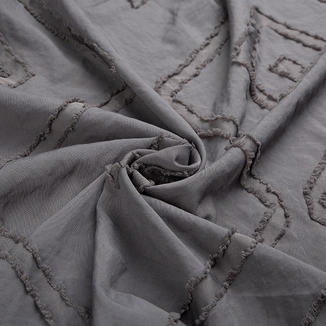
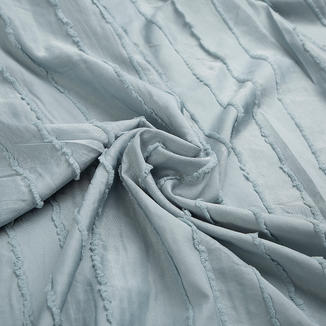
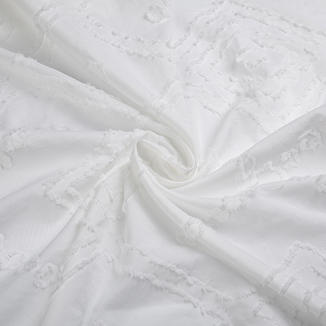
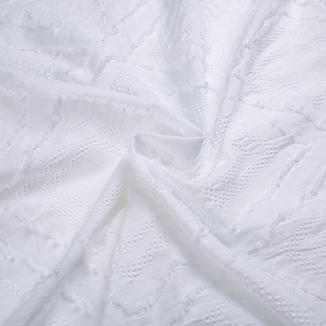
Premium quality since 2002!
Understanding the Artistry of Jacquard Weaving
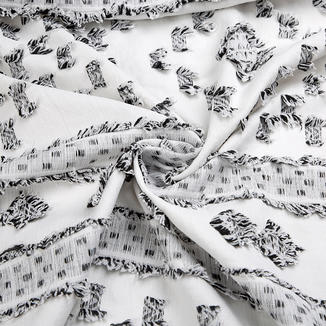
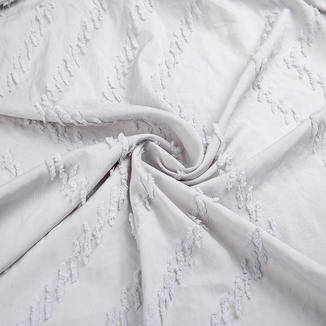
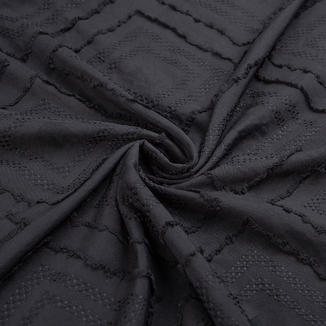
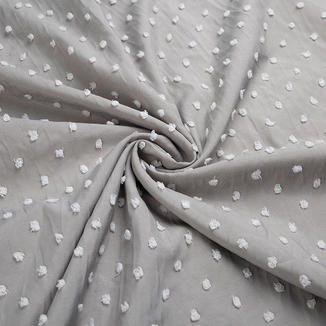
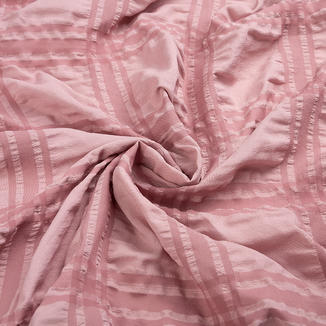
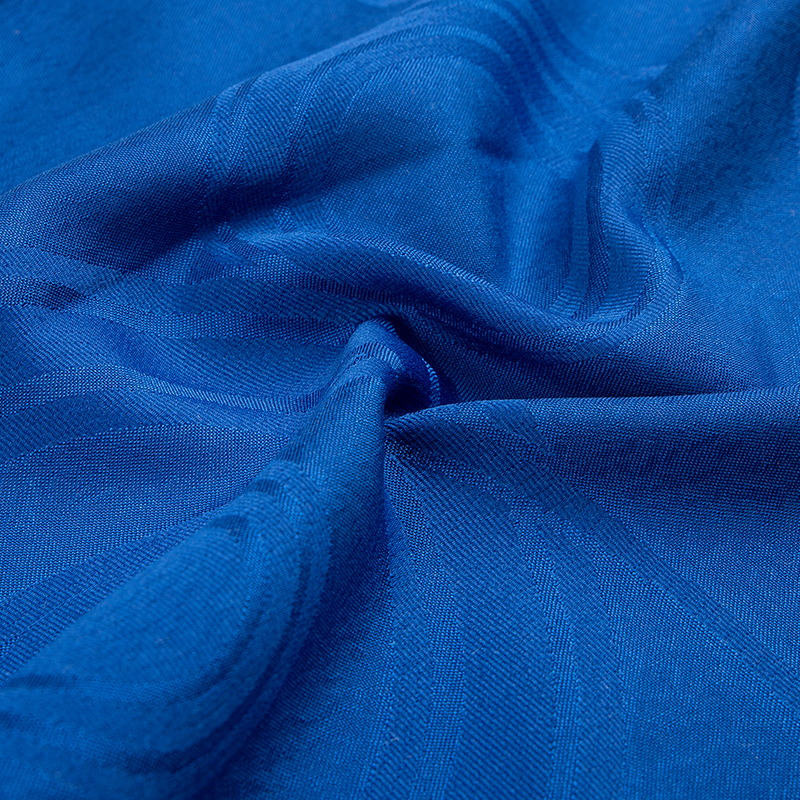
Jacquard curtain fabric is not defined by its material, but by the intricate weaving process that creates its pattern. Unlike printed fabrics where the design is applied to the surface, Jacquard patterns are woven directly into the warp and weft of the textile using a specialized loom. This technique results in a raised, tactile texture that offers a three-dimensional quality and a sense of luxury that is difficult to replicate with other methods. Because the design is structural, Jacquard fabrics tend to be heavier, more durable, and more resistant to fading than their printed counterparts, making them an ideal choice for high-end window treatments.
The Benefits of Heavyweight Weaves
One of the primary reasons homeowners and designers opt for Jacquard is its exceptional "drape." Due to the complexity of the weave and the density of the threads used, the fabric falls with a substantial weight, creating deep, elegant folds. This thickness also provides functional benefits, such as natural sound insulation and thermal regulation, helping to keep a room warm in the winter and cool in the summer. Furthermore, the intricacy of the weave often means these fabrics are reversible or have a visually interesting "negative" pattern on the backside.
Popular Material Blends in Jacquard Curtains
While the Jacquard technique can be applied to many fibers, the choice of material significantly impacts the curtain's sheen, durability, and maintenance. Most modern Jacquard curtain fabrics utilize a blend of natural and synthetic fibers to balance aesthetics with practical longevity. Below is a comparison of common fiber compositions found in high-quality Jacquard curtains:
| Material Blend | Key Characteristics | Best Use Case |
| Polyester & Cotton | Durable, wrinkle-resistant, matte finish | Family living rooms and high-traffic areas |
| Silk & Rayon | High sheen, delicate drape, vibrant colors | Formal dining rooms and master bedrooms |
| Linen Blends | Natural texture, breathable, earthy look | Modern rustic or coastal interior themes |
| Damask (All-Silk) | Extremely dense, monochromatic patterns | Traditional and heritage luxury settings |
Selecting the Right Pattern for Your Space
Because Jacquard fabrics can host incredibly detailed designs, choosing the right pattern is crucial for maintaining the visual balance of a room. The scale of the pattern should correlate with the size of the window and the overall dimensions of the room. A large-scale floral Jacquard can act as a stunning focal point in a spacious hall, whereas a smaller, geometric Jacquard pattern might be more appropriate for a compact study or bedroom where subtlety is preferred.
Styling Tips for Patterned Weaves
- Pair complex Jacquard curtains with solid-colored walls to prevent the room from feeling cluttered.
- Consider the lighting; metallic threads in a Jacquard weave will shimmer beautifully in direct sunlight or under evening lamplight.
- Use matching Jacquard fabric for accent pillows or table runners to create a cohesive design narrative throughout the space.
Maintenance and Care for Jacquard Fabrics
To preserve the intricate textures and structural integrity of Jacquard curtains, proper maintenance is essential. Because the patterns consist of floating threads (yarns that skip over several weft threads), they can be susceptible to snagging if handled roughly. Regular dusting and vacuuming with a soft brush attachment will prevent dust from settling deep into the weave, which can dull the colors over time.
Cleaning Guidelines
Most high-quality Jacquard curtains are labeled as "Dry Clean Only." This is because the varying shrinkage rates of the different fibers used in the complex weave can cause the pattern to pucker or distort if washed in a standard laundry machine. If you must iron the fabric, always do so on the reverse side using a low heat setting and a pressing cloth to avoid flattening the raised texture or scorching delicate synthetic fibers.
