
 EN
EN  English
 简体中文
简体中文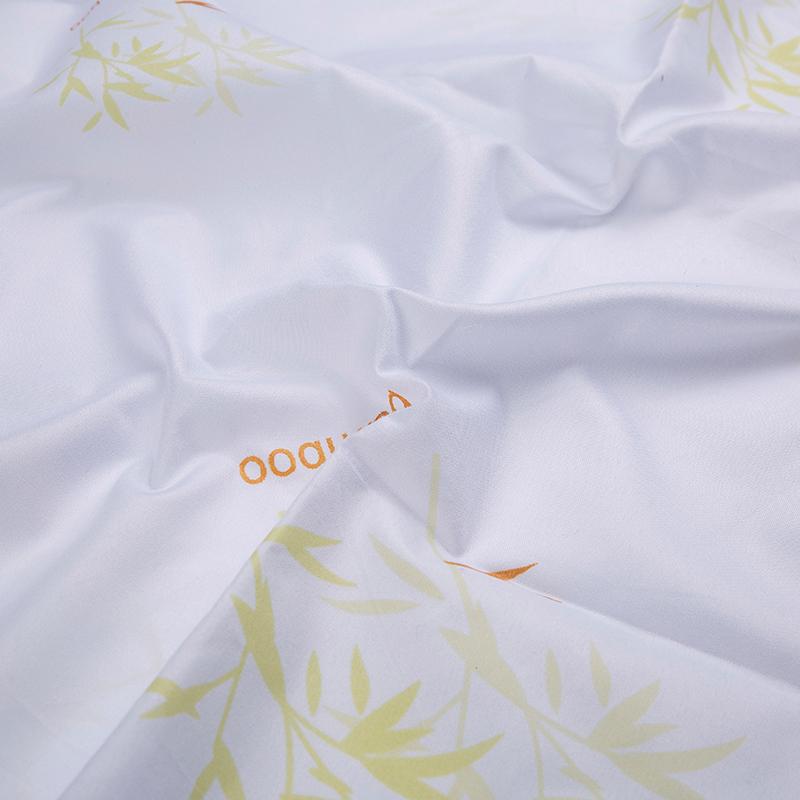
Premium quality since 2002!
What Defines High-Quality Polyester Printed Fabric
Polyester printed fabric is a synthetic textile produced by applying patterns, colors, or functional graphics onto polyester base cloth. Quality is determined not only by visual clarity but also by fiber consistency, print penetration, color fastness, and surface hand feel. High-grade polyester printed fabric maintains sharp patterns after repeated washing, resists pilling, and preserves structural stability under heat and tension.
Advanced production focuses on uniform yarn density, controlled fabric greige preparation, and precise print registration. These factors ensure that the printed design aligns accurately with the weave or knit structure, preventing distortion during cutting and garment assembly.
Common Printing Techniques Used on Polyester Fabric
Polyester fibers require specific printing technologies due to their hydrophobic nature. The choice of method directly affects color depth, durability, cost efficiency, and scalability.
Sublimation Printing
Sublimation printing uses disperse dyes that transform into gas under heat and bond directly with polyester fibers. This method delivers excellent color vibrancy, zero hand feel, and long-term wash resistance, making it ideal for sportswear, banners, and performance textiles.
Rotary Screen Printing
Rotary screen printing is widely used for large-volume polyester printed fabric orders. It supports continuous production with consistent repeat patterns and controlled ink laydown. This method is suitable for home textiles, upholstery fabrics, and fashion yardage.
Digital Direct Printing
Digital printing enables short runs, complex gradients, and rapid design changes. It is increasingly adopted for customized polyester printed fabric, sampling, and fast-fashion cycles where speed and flexibility are critical.
Performance Advantages of Polyester Printed Fabric
- High dimensional stability that prevents shrinkage and deformation after printing and finishing
- Excellent color retention, especially when disperse dyes are properly fixed
- Strong resistance to wrinkles, abrasion, and repeated laundering
- Compatibility with functional finishes such as moisture-wicking, UV resistance, and anti-static treatments
Key Application Scenarios Across Industries
Polyester printed fabric is engineered for versatility, serving both aesthetic and functional requirements across multiple sectors.
Apparel and Fashion Manufacturing
In fashion, polyester printed fabric is widely used for dresses, shirts, activewear, and outerwear linings. Designers favor it for its print clarity, lightweight structure, and compatibility with mass production while maintaining consistent color batches.
Home Textiles and Interior Decoration
Curtains, sofa covers, tablecloths, and bedding components benefit from polyester printed fabric due to its fade resistance and easy maintenance. Large repeat patterns and custom designs are achievable without compromising fabric strength.
Advertising and Industrial Use
For banners, exhibition displays, and soft signage, polyester printed fabric offers durability, lightweight handling, and excellent image resolution. Flame-retardant and weather-resistant variants expand its industrial applicability.
Fabric Construction Options and Their Impact on Printing
| Fabric Type | Structure | Printing Performance |
| Polyester Woven | Plain / Twill / Satin | Sharp edges, high pattern stability |
| Polyester Knit | Warp / Weft Knit | Flexible prints, softer drape |
| Polyester Microfiber | Ultra-fine filaments | High color saturation, smooth surface |
Quality Control Factors Buyers Should Evaluate
When sourcing polyester printed fabric, buyers should focus on measurable performance indicators rather than appearance alone. Color fastness to washing, rubbing, and light should meet target market standards. Print alignment consistency across rolls is essential for bulk cutting efficiency.
Additionally, testing for fabric weight tolerance, tensile strength, and post-printing shrinkage helps ensure long-term reliability, especially for export-oriented or branded applications.
Scalability and Customization in Modern Polyester Printing
Modern polyester printed fabric production balances scalability with customization. Manufacturers now integrate digital workflows with traditional printing lines, enabling rapid sampling followed by seamless scale-up. This approach reduces development risk while supporting private-label branding and regional design preferences.
As demand for short lead times and differentiated products grows, polyester printed fabric remains a core solution for businesses seeking cost control, design freedom, and consistent performance across global markets.
