
 EN
EN  English
 简体中文
简体中文
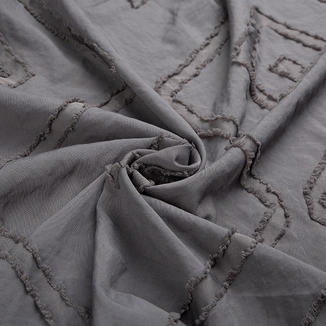
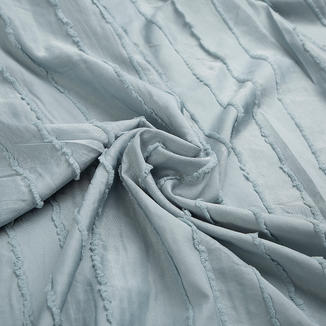
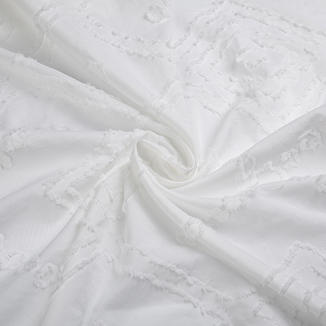
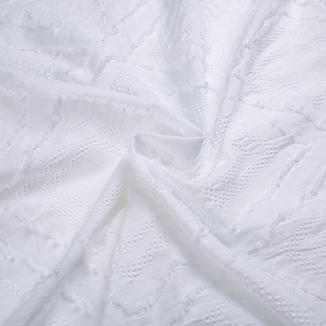
Premium quality since 2002!
Understanding the Texture and Engineering of Polyester Seersucker
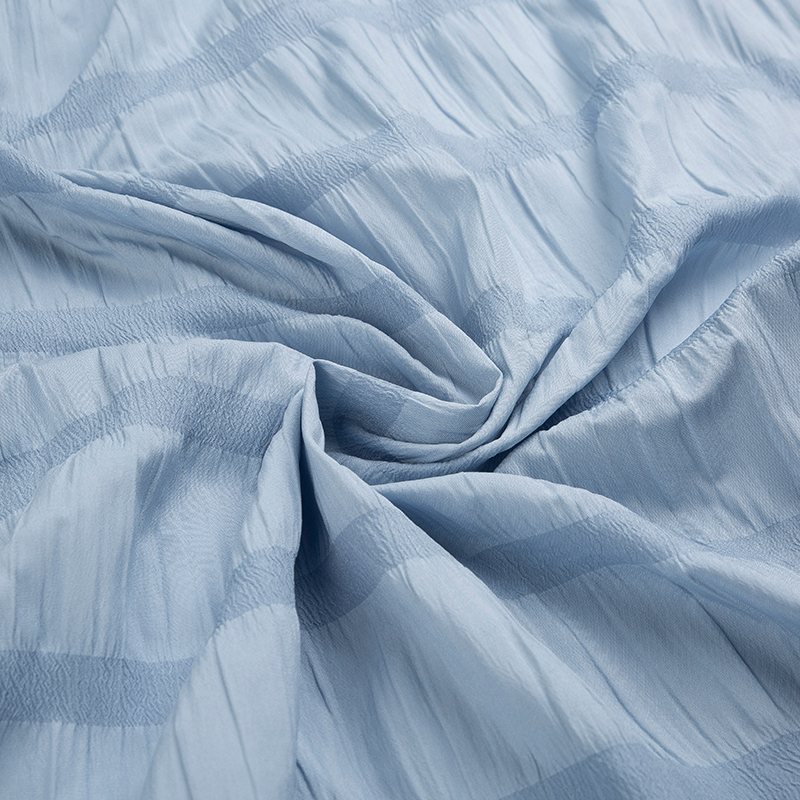
Polyester seersucker is a specialized textile characterized by its distinct "puckered" or crinkled appearance. Unlike traditional cotton seersucker, which relies solely on the tension of warp threads during weaving, the polyester variety often utilizes the thermoplastic properties of synthetic fibers. This allows manufacturers to create permanent, durable textures that do not flatten out after repeated washes. The physical structure of the fabric is its primary functional advantage: the raised bumps hold the fabric away from the skin, creating micro-air pockets that facilitate airflow and heat dissipation, making it a staple for high-humidity environments.
From a technical standpoint, polyester seersucker addresses the limitations of natural fibers. While cotton is breathable, it tends to absorb moisture and become heavy. Polyester, being naturally hydrophobic, wicks moisture away from the body and dries significantly faster. This combination of the seersucker weave’s physical breathability and polyester’s moisture-management capabilities results in a high-performance fabric suitable for everything from casual summer suiting to active lifestyle wear.
Performance Comparison: Polyester vs. Traditional Cotton Seersucker
Choosing between polyester and cotton seersucker depends largely on the intended use case. While purists often lean toward cotton for its heritage, polyester variants offer superior durability and ease of maintenance. The following table highlights the key differences in performance metrics between these two variations.
| Feature | Polyester Seersucker | Cotton Seersucker |
| Wrinkle Resistance | Excellent / No Ironing | Moderate |
| Drying Speed | Very Fast | Slow to Moderate |
| Color Retention | High (Fade Resistant) | Moderate (Natural Fading) |
| Stretch/Elasticity | Can be engineered with stretch | Limited (Non-stretch) |
Practical Applications in Modern Apparel and Decor
Travel and Leisure Wear
One of the most practical uses for polyester seersucker is in travel-specific clothing. Because the fabric is intentionally wrinkled, it can be packed tightly into a suitcase and worn immediately upon arrival without the need for an iron. Designers utilize this for lightweight blazers, travel trousers, and button-down shirts that maintain a crisp, intentional aesthetic even after long flights. The lightweight nature of the synthetic blend also ensures that garments take up minimal weight in luggage.
Outdoor and Active Lifestyle
The puckered texture reduces the surface area of the fabric in contact with the skin, which is crucial for preventing "fabric cling" during perspiration. This makes polyester seersucker an excellent choice for golf shirts, hiking shirts, and even swimwear linings. The inherent UV resistance of polyester fibers provides an added layer of protection for outdoor enthusiasts, combining the sophisticated look of seersucker with the utility of technical gear.
Home Textiles and Bedding
In the realm of interior design, polyester seersucker is increasingly popular for duvet covers, pillow shams, and shower curtains. Its ability to withstand frequent machine washing and drying without losing its texture makes it a low-maintenance luxury. In bedding, the airflow promoted by the crinkled surface helps regulate body temperature during sleep, providing a cooler night's rest compared to flat, dense synthetic weaves.
Care and Maintenance Tips for Longevity
While polyester seersucker is renowned for its resilience, following specific care guidelines will ensure the puckered texture remains vibrant and the fibers do not degrade over time. Unlike delicate silks or heavy wools, this fabric is largely "wash-and-wear," but it does have sensitivities to high heat.
- Wash in cool or lukewarm water to prevent the synthetic fibers from losing their structural integrity.
- Avoid using fabric softeners, as they can coat the fibers and reduce the moisture-wicking efficiency of the polyester.
- Tumble dry on a low heat setting or air dry; high heat can potentially melt the textured "dimples" that give seersucker its character.
- Never iron the fabric, as the weight and heat of the iron will flatten the essential puckered texture.
Sustainability and Future Trends in Synthetic Seersucker
As the textile industry shifts toward more sustainable practices, polyester seersucker is evolving. Many manufacturers are now producing this fabric using rPET (recycled polyethylene terephthalate) sourced from post-consumer plastic bottles. This allows brands to offer the same performance benefits—wrinkle resistance, breathability, and durability—while reducing the reliance on virgin petroleum products. Additionally, the longevity of polyester seersucker contributes to "slow fashion" principles, as the garments do not shrink, fade, or lose their shape as quickly as natural fiber counterparts, reducing the frequency of replacement.
