
 EN
EN  English
 简体中文
简体中文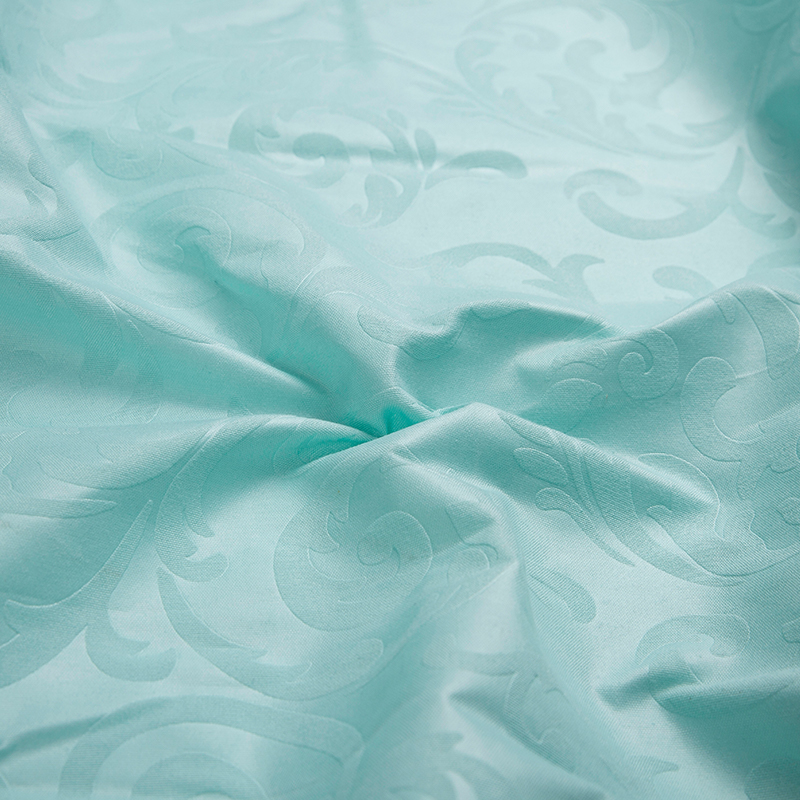
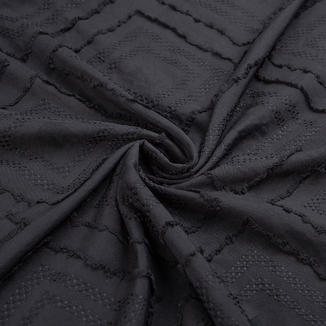
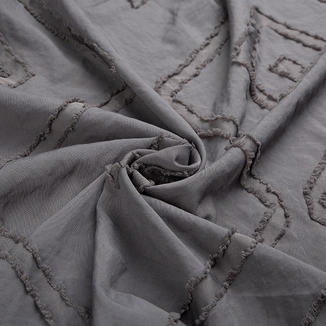
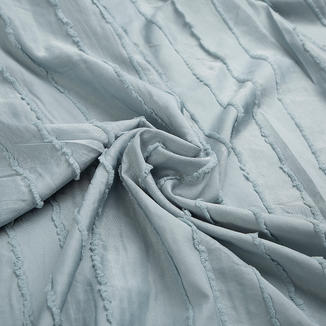
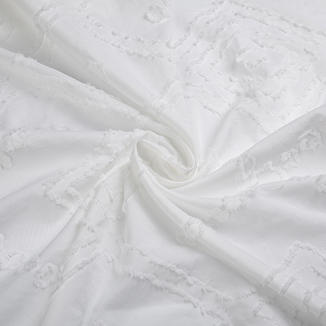
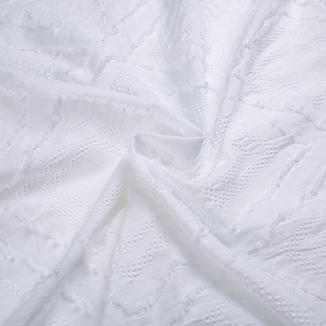
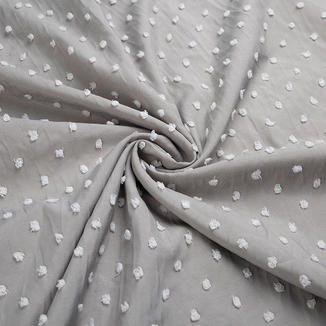
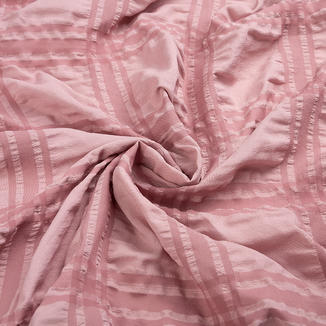
Premium quality since 2002!
Understanding the Mechanics of Fabric Embossing
Embossed fabric is defined by its raised or recessed patterns, created through a specialized process that alters the surface topography of the textile. Unlike embroidery or quilting, which add physical thread or batting to create volume, embossing typically relies on the application of heat and high pressure. Industrial rollers, engraved with specific motifs, compress the fibers to create a permanent "stamped" effect. This technique is most effective on synthetic fibers like polyester or nylon, as these materials are thermoplastic and can be heat-set to retain the shape of the engraving indefinitely.
Heat-Set vs. Chemical Embossing
While thermal embossing is the standard for synthetics, natural fibers like cotton or silk often require chemical assistance to maintain their texture. In these cases, a resin is applied to the fabric before it passes through the calender rollers. The resin "locks" the fibers into the embossed shape during the curing process, preventing the pattern from washing out or flattening over time. This distinction is crucial for designers to understand, as it dictates the durability and care requirements of the finished garment or upholstery piece.
Common Applications and Material Pairings
Embossed fabrics are prized for their ability to mimic more expensive materials or add visual depth without adding significant weight. In the world of interior design, embossed velvets and suedes are frequently used to create luxurious textures that catch the light differently at various angles. In the fashion industry, embossed tech-fabrics are popular in sportswear and outerwear, providing a futuristic aesthetic and improved structural integrity to the garment.
| Fabric Type | Common Embossed Pattern | Primary Use Case |
| Velvet | Damask or Floral | Luxury Upholstery |
| Scuba/Neoprene | Geometric or Hexagonal | Activewear & Bags |
| Faux Leather | Crocodile or Snake Skin | Footwear & Accessories |
| Organza | Polka Dots or Scrolls | Bridal & Evening Wear |
Best Practices for Handling and Sewing
Working with embossed fabric requires a delicate touch to ensure the textured design is not compromised during the construction process. High heat from a standard iron is the primary enemy of embossed patterns, as it can inadvertently "de-boss" or flatten the raised areas. When working with these materials, it is essential to use a pressing cloth and low-temperature settings, or ideally, utilize a vertical steamer to remove wrinkles without direct contact.
- Use a walking foot to prevent the embossed texture from shifting or stretching under the presser foot.
- Test all interfacings on a scrap piece first, as the adhesive heat can sometimes flatten the embossed motif.
- Avoid heavy steam in localized areas; instead, use a tailor's ham to support the fabric's shape while cooling.
- Pay close attention to pattern matching at the seams, as embossed designs often have a clear vertical or horizontal repeat.
Care and Maintenance for Longevity
The longevity of the embossed effect depends heavily on the fiber content and the quality of the initial manufacturing. To maintain the 3D integrity of the fabric, users should generally avoid hot water washes and high-heat dryer cycles. Aggressive agitation can also cause the raised peaks of the pattern to abrade faster than the recessed valleys. For high-end embossed items, professional dry cleaning is often the safest route to ensure the texture remains crisp and defined for years to come.
