
 EN
EN  English
 简体中文
简体中文
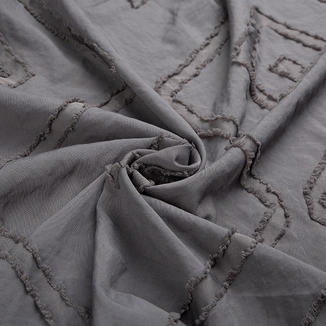
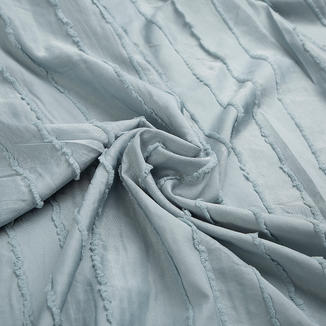
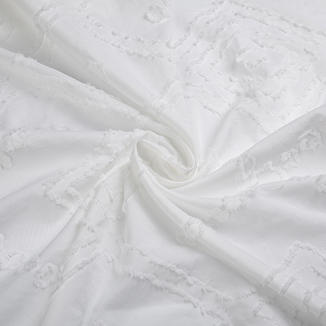
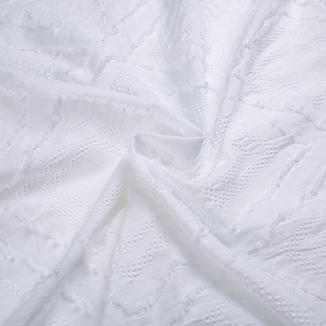
Premium quality since 2002!
What Makes Polyester Tufted Fabric Different from Other Upholstery Materials
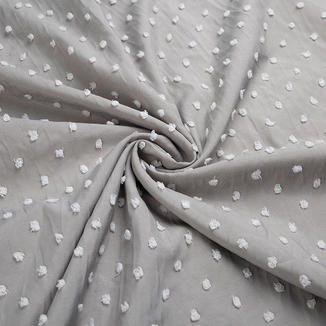
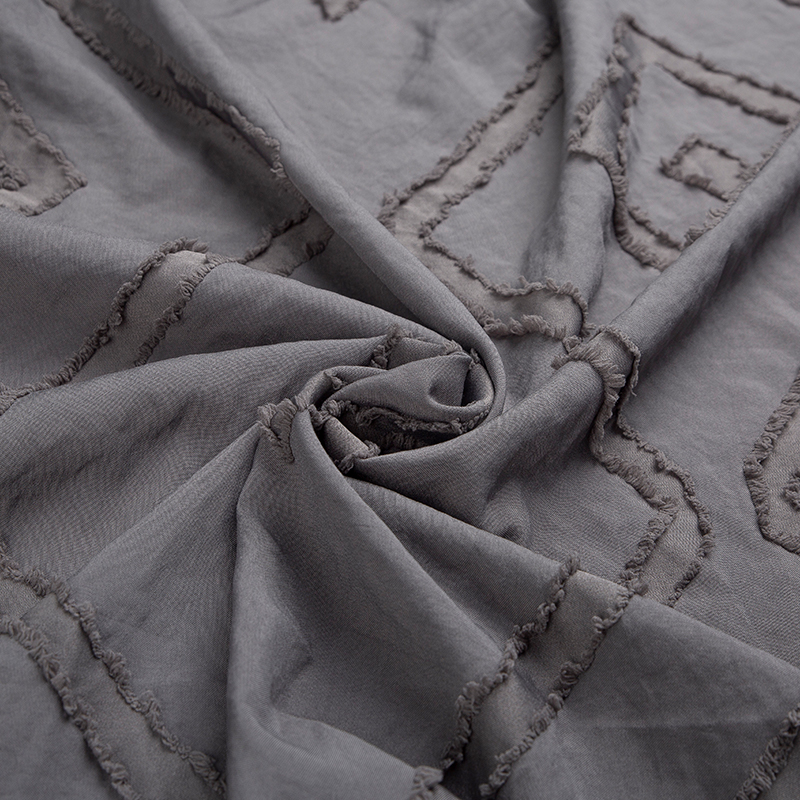
If you've ever run your hand across a plush sofa or a cozy area rug and wondered what gives it that distinctive looped or cut-pile texture, chances are you were touching tufted fabric. When that fabric is made from polyester fibers, you get a material that combines tactile richness with serious practical advantages. Polyester tufted fabric is manufactured by pushing yarn through a backing material to create loops or cut tufts, and the result is a surface that feels substantial underfoot or to the touch while holding up remarkably well over time.
Unlike woven fabrics where threads interlace horizontally and vertically, tufted polyester construction creates depth and pile height that woven structures simply can't replicate at the same cost. The synthetic polyester fibers are inherently resistant to moisture absorption, which means spills sit on the surface longer and give you a real chance to blot them away before they soak in. Natural fiber alternatives like wool or cotton tufted fabric can look beautiful, but they demand more care and cost considerably more per yard.
How Polyester Tufted Fabric Is Actually Made
Understanding the production process helps you evaluate quality when shopping. Tufted polyester fabric starts with a primary backing—usually a woven or nonwoven polypropylene sheet—through which needles punch polyester yarn at precise intervals. The spacing of those needle punches, called gauge, directly determines how dense the finished fabric feels. A tighter gauge means more tufts per inch and a fuller, more luxurious surface.
Once the yarn is pushed through the primary backing, the loops are either left intact to create loop-pile tufted fabric or cut at the tip to produce a cut-pile surface. A secondary backing, often latex-coated, is then bonded to the underside to lock each tuft in place and prevent shedding. Finally, the fabric goes through finishing treatments—heat setting, shearing, or chemical application—that determine its final texture, sheen, and performance characteristics.
Loop Pile vs. Cut Pile: Which One Should You Choose?
The choice between loop pile and cut pile polyester tufted fabric has real consequences for how a product performs in your space. Loop pile keeps the yarn ends locked in a continuous loop, creating a firm, resilient surface that resists crushing under furniture legs. Cut pile severs those loops, exposing soft yarn ends that feel noticeably softer but can mat down in high-traffic areas over time. Here's a quick comparison:
| Feature | Loop Pile Tufted Polyester | Cut Pile Tufted Polyester |
| Surface Texture | Firm, nubbly | Soft, plush |
| Crush Resistance | Excellent | Moderate |
| Best For | Commercial, high-traffic areas | Residential, low-traffic seating |
| Cleaning Ease | Very easy | Easy to moderate |
| Typical Cost | Lower | Slightly higher |
Where Polyester Tufted Fabric Gets Used Most
Tufted polyester fabric shows up across a surprisingly wide range of product categories, each taking advantage of slightly different properties. The most familiar application is area rugs and wall-to-wall carpeting, where the thick pile provides cushioning underfoot and acoustic dampening in a room. Polyester carpet fiber has improved dramatically over the past decade—modern solution-dyed polyester resists fading from sunlight and holds color vibrancy far better than older fiber generations.
Upholstery is another major category. Sofas, accent chairs, ottomans, and headboards covered in polyester tufted velvet or boucle-style tufted fabric have surged in popularity because they deliver a high-end aesthetic at accessible price points. Automotive interiors use a specialized form of tufted polyester fabric for seat covers and door panel inserts because it handles temperature swings and wear cycles that would quickly degrade natural fibers. In the bedding market, tufted polyester fabric appears in blankets and coverlets where the looped pile traps warm air effectively.
Residential Applications Worth Knowing
- Living room rugs in cut-pile polyester offer deep color saturation and hold up to moderate foot traffic without the premium cost of wool
- Nursery and children's room carpeting benefits from polyester's moisture resistance—spills and accidents don't penetrate as quickly as with natural fibers
- Bedroom area rugs in tufted polyester shag provide the barefoot softness people want without the maintenance that wool shag demands
- Accent chairs and reading nooks upholstered in tufted polyester velvet create a boutique look without the fragility of silk velvet
The Real Strengths of Polyester Tufted Fabric You Should Know
Polyester's biggest advantage in tufted construction is its resistance to staining and moisture. Because polyester is a hydrophobic synthetic fiber, it doesn't readily absorb water-based liquids. This means that red wine, juice, and coffee tend to bead up rather than immediately wicking into the pile, giving you time to intervene. Many polyester tufted fabrics also receive additional stain-guard treatments during finishing, stacking that protection even higher.
Colorfastness is another genuine strength. Solution-dyed polyester tufted fabric—where the color is embedded directly into the fiber during extrusion rather than applied afterward—resists UV fading more reliably than surface-dyed alternatives. If your rug sits near a window or your upholstered chair faces south, this matters more than most people realize. Colors stay truer longer without the washed-out look that natural fibers and lesser synthetics develop after a few years of sun exposure.
From a practical standpoint, polyester tufted fabric is also significantly more affordable than wool, silk, or high-end blended alternatives. For large-scale projects like carpeting an entire floor or reupholstering multiple pieces, that cost difference is substantial. The material is also widely available in an enormous range of pile heights, densities, and colors, which makes sourcing specific styles much easier than hunting for specialty natural fiber constructions.
Honest Limitations You Should Factor In
No material is perfect, and polyester tufted fabric has limitations worth understanding before you commit to a purchase. The most commonly reported issue with cut-pile polyester is pilling and matting in high-traffic zones. As fibers break down from foot traffic or friction, loose fiber ends can tangle together into small pills or flatten into a compressed mat. This is especially noticeable in hallways, in front of sofas where people prop their feet, and around dining chairs where scraping is constant.
Heat sensitivity is another consideration. Polyester fibers begin to soften at relatively moderate temperatures, which means steam cleaning at high settings or placing very hot items directly on the fabric can cause distortion. Most manufacturers recommend warm water extraction cleaning rather than high-heat steam for polyester tufted rugs and upholstery. Ironing is essentially off the table for any tufted polyester upholstery product.
Environmentally, polyester is derived from petroleum, and it sheds microplastics during washing. Tufted polyester blankets and textiles that go through regular laundry cycles contribute microfibers to wastewater. This isn't unique to tufted construction, but it's worth factoring in if environmental footprint is a priority for you. Some manufacturers are now producing recycled polyester tufted fabric from reclaimed plastic bottles, which addresses the virgin resource issue without solving the microplastic shedding concern entirely.
How to Evaluate Quality When You're Shopping
Not all polyester tufted fabric is created equal, and learning to read a few key specifications will save you from disappointment. Pile density—measured in ounces per square yard for rugs or grams per square meter for upholstery fabric—tells you how much fiber is actually packed into the surface. Higher density means a fuller, more durable product. A rug with 40 oz/sq yd will outlast and outlook one at 20 oz/sq yd even if they're priced similarly in the short term.
Pile height matters for texture and application. For upholstery, pile heights between 2mm and 8mm are typical, with lower pile being more durable under abrasion and higher pile feeling more luxurious. For area rugs, pile heights from 0.25 inches to 0.75 inches are common for everyday use, while shag rugs push beyond an inch. Very long pile looks dramatic but traps debris more easily and lies flat faster.
Key Specs to Check Before Buying
- Face weight: The weight of pile fiber only, not the backing—higher is generally better for durability
- Gauge: Number of needle rows per inch—tighter gauge produces a denser, more uniform surface
- Backing material: Double-backed constructions with latex bonding hold tufts far more securely than single-backed alternatives
- Dyeing method: Solution-dyed polyester resists fading significantly better than yarn-dyed or piece-dyed options
- Abrasion rating: For upholstery, look for Wyzenbeek or Martindale rub counts—commercial durability typically starts at 30,000 double rubs
Caring for Polyester Tufted Fabric the Right Way
Routine maintenance makes a significant difference in how long polyester tufted fabric looks good. For rugs, vacuuming at least once a week—using a suction-only setting rather than a beater bar on cut-pile styles—removes dry soil before it works down into the pile where it acts like sandpaper on fiber. Rotating the rug every six months evens out wear patterns so no single area takes a disproportionate beating from foot traffic.
For upholstery, a lint roller or handheld vacuum attachment works well for weekly surface maintenance. When spot cleaning is needed, blot don't rub—rubbing spreads the stain and can distort the pile direction. A mild dish soap diluted in cold water handles most everyday stains effectively. Let the area dry completely before sitting on it to prevent mildew from developing in the backing layers, especially in humid climates.
Professional cleaning once every one to two years helps tufted polyester fabric recover from embedded grime and pile compression. Hot water extraction—commonly called steam cleaning despite using less actual steam than the name implies—is the industry standard method and works well on polyester. Avoid dry-cleaning solvents unless the manufacturer explicitly recommends them, as some solvent formulations can weaken the latex backing that holds tufts in place.
Comparing Polyester Tufted Fabric to Other Common Choices
When you're deciding between polyester and competing materials for a tufted product, the comparison almost always comes down to the same set of trade-offs. Wool tufted fabric offers superior natural resilience—wool fibers have a natural crimp that helps them spring back after compression—and it handles dry soil release particularly well. But wool costs two to four times more per square yard, requires professional cleaning for anything beyond surface maintenance, and is susceptible to moth damage in storage. For most residential buyers, polyester tufted fabric closes the gap enough that the premium for wool is hard to justify.
Nylon tufted fabric sits between polyester and wool in both price and performance. Nylon offers better abrasion resistance than polyester—making it the preferred choice for commercial carpet applications—but it absorbs moisture more readily, which makes stain management slightly harder. Polyester's moisture resistance edge over nylon becomes especially meaningful in food service areas, households with pets, or rooms where spills are frequent. For purely residential use, high-quality polyester tufted fabric performs comparably to nylon in most real-world conditions.
Polypropylene (olefin) is the budget alternative below polyester. While it's even more water-resistant and UV-stable than polyester—making it the dominant fiber in outdoor tufted rugs—polypropylene is waxy in feel and crushes more permanently under load. It lacks the softness that makes polyester tufted fabric appealing for indoor upholstery and residential rugs. Polyester occupies the practical sweet spot for most indoor applications: soft enough for comfort, durable enough for everyday use, and priced accessibly for most budgets.
