
 EN
EN  English
 简体中文
简体中文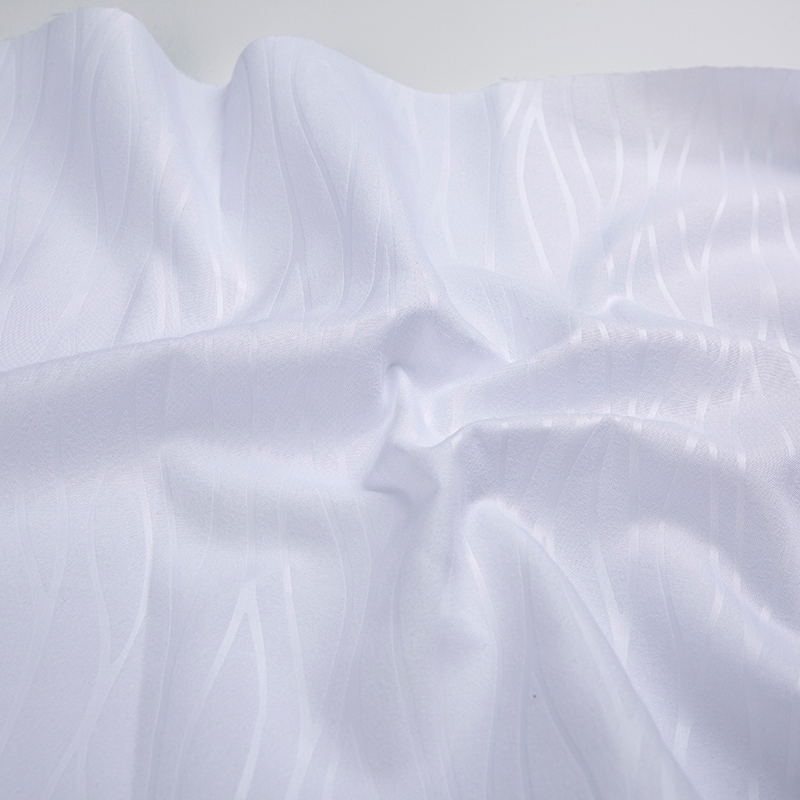
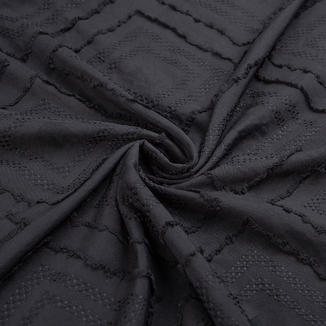
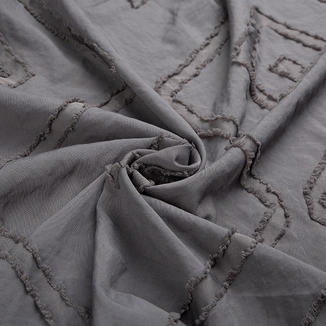
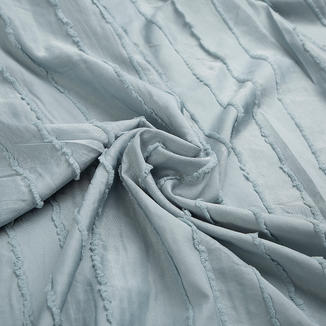
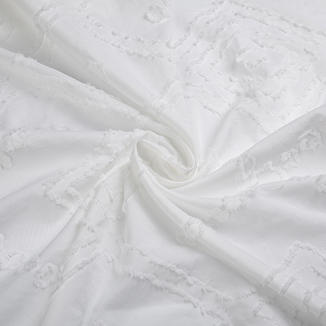
Premium quality since 2002!
Have you ever run your hand over a fabric and felt a subtle, raised pattern? That tactile beauty is the result of embossing, a specialized textile finishing process that transforms flat material into a three-dimensional work of art. Embossed fabrics are prevalent in fashion, home décor, and industrial applications, adding depth, texture, and value to otherwise plain materials. But how exactly is this unique texture achieved, and what makes it last?
Understanding the Embossing Process
Embossing is essentially a sophisticated form of textile pressing. It uses a combination of heat, pressure, and specially engraved rollers to create a permanent or semi-permanent pattern on the surface of the fabric. This process is distinct from weaving or printing, as it physically changes the fabric’s structure in the pattern areas.
The Key Components of Embossing
The process is typically carried out using a machine called a calender, which is fitted with specialized rollers:
- Engraved Roller (Embossing Roller): This roller features the desired pattern (e.g., florals, geometrics, leather-like grains) cut or etched into its surface. It is usually made of steel and is heated to a precise temperature.
- Counter Roller: This is a smooth, unheated roller, often made of a softer material like cotton, paper, or synthetic polymer, which pushes the fabric against the engraved roller.
- Heating System: Provides the necessary heat to make the fabric fibers malleable and set the pattern.
- Pressure System: Applies the heavy force required to press the fabric firmly into the grooves of the engraved roller.
How Texture is "Set"
The permanence of the embossed pattern largely depends on the fiber content and the treatment. For fabrics made from thermoplastic fibers (like polyester, nylon, and acrylic), the process is highly effective. The heat and pressure temporarily melt or soften the polymer chains, allowing them to be reshaped into the pattern. As the fabric cools, the fibers solidify in their new, three-dimensional configuration, creating a pattern that is wash-resistant.
For natural fibers (like cotton or wool), the effect is less permanent and may fade after washing. To improve permanence on these materials, chemical treatments (such as a resin finish) are often applied before the embossing. The resin is cured by the heat and acts as a binder, helping the fibers retain the pattern.
Applications and Examples
Embossed fabrics are versatile, appearing in numerous products that value both aesthetics and function:
Fashion and Apparel
- Athleisure Wear: Embossing is used to create geometric or logo patterns on synthetic activewear, adding visual appeal without extra stitching.
- Outerwear: On synthetic leathers or vinyls for jackets and bags, embossing is used to mimic the texture of genuine exotic skins (e.g., crocodile, snake).
- Formalwear: Subtle damask or brocade-like patterns can be embossed onto satin or velvet for a luxurious, tactile effect.
Home Furnishings
- Upholstery: Durable, embossed vinyl or micro-suede is used for furniture, offering high-end texture with easier maintenance.
- Bedding: Sheets and comforters, often made of polyester, can feature intricate, raised patterns for enhanced visual and tactile comfort.
- Wall Coverings: Embossed paper or vinyl wall coverings provide a textural alternative to paint, adding depth to a room.
Technical and Industrial Uses
- Automotive Interiors: Embossed surfaces are common on car seats and door panels for durability, grip, and design aesthetics.
- Wipes and Filters: Even non-apparel textiles, like certain types of cleaning wipes, are embossed to increase surface area, improving absorbency and cleaning power.
Comparing Embossing to Other Techniques
While the goal of many textile finishes is to add surface interest, embossing achieves this through mechanical means, setting it apart from other common methods:
| Technique | Mechanism | Resulting Texture |
|---|---|---|
| Embossing | Heat and high-pressure pressing with an engraved roller. | Permanent or semi-permanent, raised, 3D pattern; uniform depth. |
| Jacquard Weaving | Complex loom control of individual warp threads during weaving. | Pattern is an integral part of the fabric structure; reversible pattern. |
| Printing (Screen/Digital) | Applying colored dyes or pigments to the surface of the fabric. | Flat, 2D pattern; only color and visual design, no physical texture change (unless using puff-prints). |
In essence, embossed fabric represents a perfect blend of engineering precision (the calender and roller design) and textile chemistry (the use of thermoplastic fibers or resin finishes) to create a product that is rich in texture and durable enough for modern life. The next time you feel a textured fabric, remember the fascinating industrial science that made that raised design possible!
