
 EN
EN  English
 简体中文
简体中文
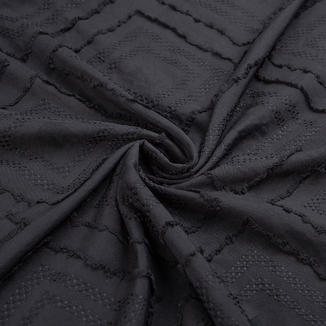
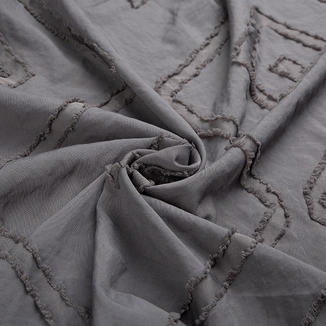
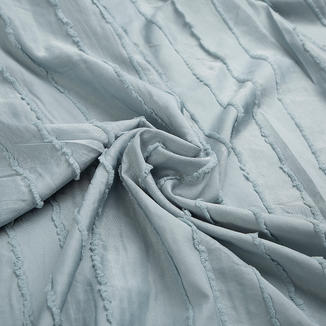
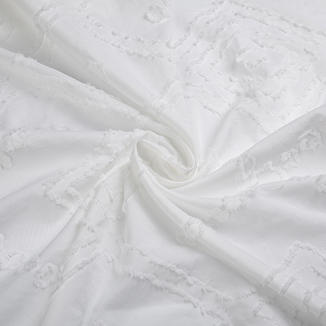
Premium quality since 2002!
Why Polyester is So Hard to Dye
Polyester, or polyethylene terephthalate (PET), is a workhorse of the modern textile world. It's durable, resists wrinkles, and is relatively inexpensive to produce, making it the most used fiber globally. But there's a catch: it's notoriously difficult to dye.
The challenge lies in polyester's fundamental structure, which is both hydrophobic and highly crystalline.
The Hydrophobic Nature of Polyester
The termhydrophobicliterally means "water-fearing." Unlike natural fibers like cotton or wool, which have chemical groups that attract water-soluble dyes, polyester lacks these friendly sites. The polymer chains of polyester are non-polar, meaning they don't mix well with the water typically used in conventional dyeing. This resistance to water means that most standard, water-based dyes simply sit on the fiber's surface and wash away easily.
The Crystalline Challenge
Polyester's internal structure is also densely packed and highly organized, or crystalline. Think of it like a tightly woven basket. The spaces, or "pores," between the polymer chains are very small. For a dye molecule to color the fiber permanently, it must penetrate these spaces and become trapped inside. The tight crystalline structure makes this penetration extremely difficult under normal conditions.
The Chemical Solution: Disperse Dyes and Extreme Conditions
To overcome polyester's unique resistance, the textile industry had to develop a specialized class of colorants and a high-energy dyeing process. The primary solution is the use of Disperse Dyes.
Disperse Dyes: The Perfect Match
Disperse dyes are small, non-ionic (meaning they have no electrical charge), and only slightly soluble in water. Their small size and lack of charge allow them to be carried into the tightly packed polyester structure.
They are added to the dye bath as a fine suspension, which is an extremely well-dispersed mixture of solid dye particles in water. The dyeing process relies on a physical mechanism—not a chemical bond—to trap the dye within the fiber.
Forcing the Color In: High Heat and Pressure
The most common method for dyes for polyester is the High-Temperature (HT) and High-Pressure method. This process is necessary to temporarily "open up" the tight polymer structure.
-
High Temperature: The dye bath is heated to extremely high temperatures, often around (). This heat is critical because it raises the temperature beyond the glass transition temperature of the polyester, allowing the polymer chains to move slightly and the pores to temporarily expand.
-
Dispersion and Diffusion: The tiny, non-ionic disperse dye molecules then diffuse from the water and are drawn into the newly opened-up spaces within the fiber.
-
Color Fixation: As the fiber cools, the polymer structure contracts and locks the dye molecules permanently in place, resulting in a color with excellent colorfastness (resistance to fading from washing, rubbing, and light).
A Necessary but Problematic Alternative: Chemical Carriers
In cases where high-pressure equipment isn't available, or for dyeing temperature-sensitive blends (like a polyester-wool mix), chemical "carriers" can be used. These carriers are organic solvents that act to temporarily swell the polyester fiber at lower temperatures (around the boiling point of water, ). While effective, many traditional carriers are a major source of concern due to their volatility and environmental toxicity, pushing the industry to favor the high-temperature/high-pressure method or newer, greener alternatives.
The Future of Polyester Dyeing: Towards a Greener Palette
The conventional high-heat and high-pressure methods for dyeing polyester are energy-intensive and produce significant amounts of wastewater containing residual chemicals and unfixed dyes. This has fueled a drive for more sustainable and circular dyeing technologies.
Supercritical Dyeing: The Waterless Wonder
One of the most promising innovations is Supercritical Carbon Dioxide () Dyeing. In this process, gas is put under high pressure and temperature until it enters a "supercritical" state—a phase where it has properties of both a liquid and a gas.
-
Waterless Process: Supercritical acts as the solvent and dye carrier, completely eliminating the need for water. This dramatically reduces the consumption of fresh water and, crucially, eliminates wastewater from the dye bath.
-
Cleaner Recycling: Since simply evaporates back into gas when the pressure is released, any unused dye is left behind as a dry powder that can be captured and reused. The fiber itself is left dry and free of residual chemicals.
SwitchDye and Other Innovations
Researchers are also exploring new dye chemistries and fiber modifications. One promising example, called SwitchDye, uses a dye that can be inserted into the polyester fiber using carbonated water and then easily removed when the fabric is being recycled. The idea is to create a dye that can "switch" its affinity for the fiber based on simple, non-toxic chemical triggers. Such innovations pave the way for a more sustainable and circular textile economy where colors can be stripped easily, and the polyester fiber can be recycled without contamination.
